— Outfit maker · Free, online · Updated July 2026
Outfit maker.
Make a complete outfit from real, in-stock clothes in one tap. Free, online, no signup — then see it on yourself before you buy anything.
Occasion & style are optional — tap to filter (tap again to clear). Generate uses your picks; Surprise me ignores them for a random look.
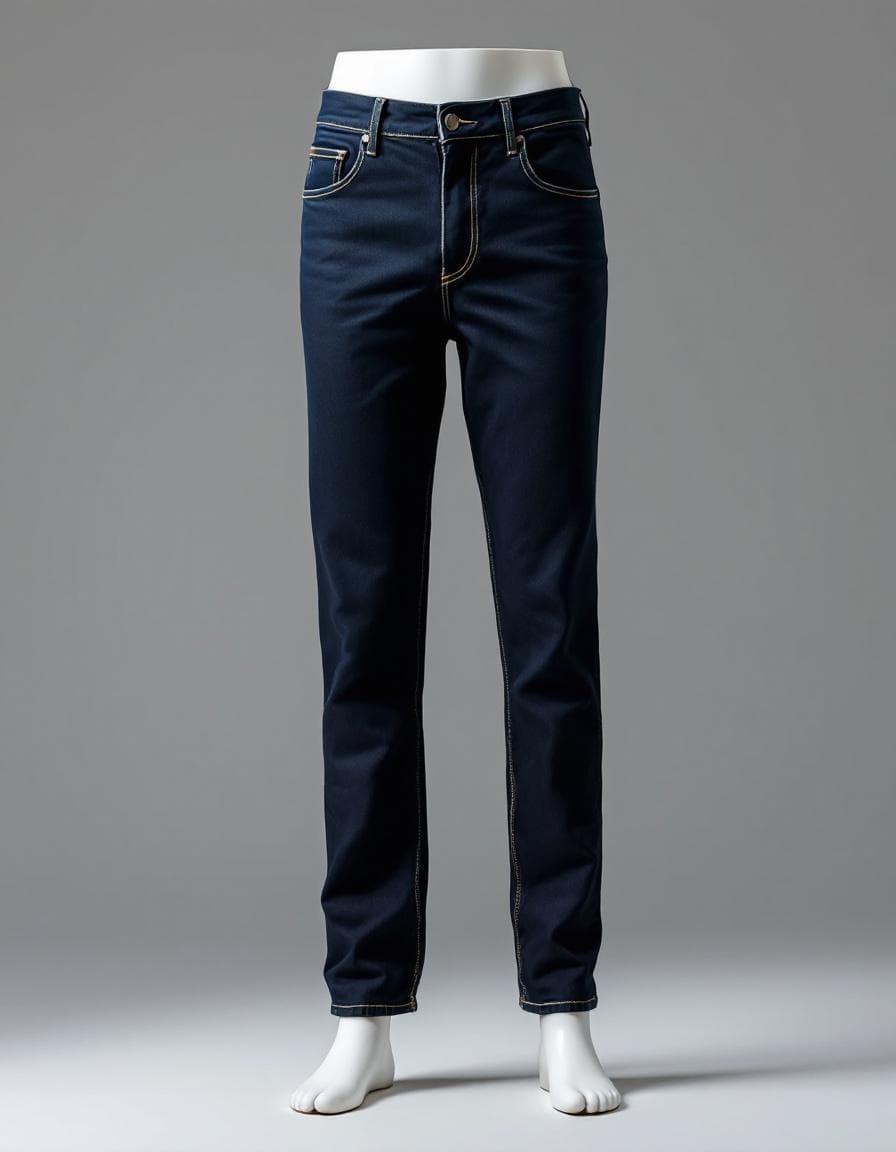
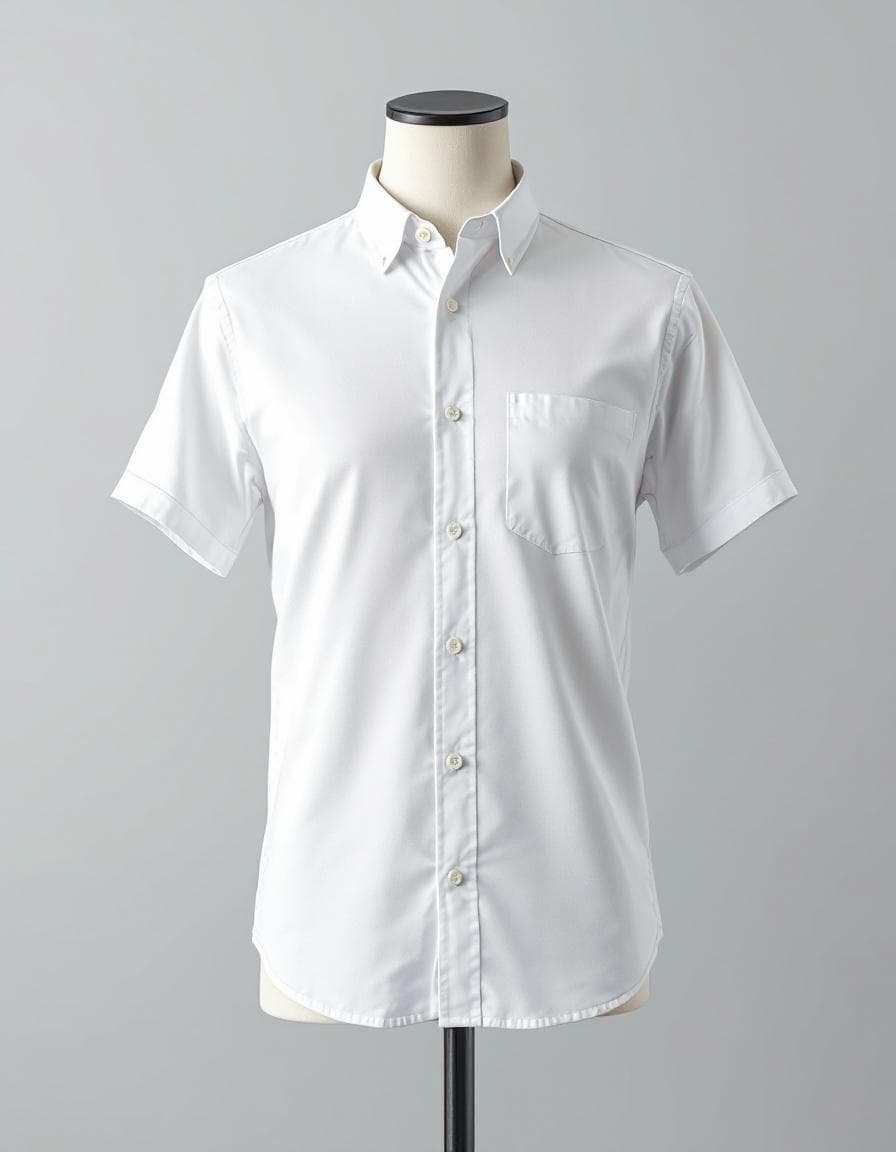
Dark wash jeans with White Oxford shirt
Black or white against navy, charcoal or slate is as clean as contrast gets — cool undertones on both sides, so nothing competes.
Real, in-stock pieces from real brands. The generator is free — the photorealistic try-on gives you one free render, then it's Pro.
Make an outfit in 30 seconds — the method the tool uses
Getting dressed well is not a talent, it's a short procedure, and once you can see it written down you can run it yourself without any tool at all. There are three steps, and the maker above does all three every time you tap it.
- Start from one anchor. Pick the single piece you actually want to wear today — the raw-denim jeans, the navy knit, the loafers you just bought — and treat it as fixed. Outfits fail when you try to make every decision at once. One fixed point turns an open question into a short one.
- Match the formality of everything else to it. This is the rule that does the most work and the one people break most often. Use the ladder below: every piece you add must sit on the anchor's rung or one either side.
- Hold the palette to a neutral base plus one accent. Navy, grey, stone, white, olive and brown are the base; they all work with each other, which is why they are the backbone of every capsule wardrobe ever written about. Add one colour that isn't neutral — burgundy, forest, tobacco — and stop there.
That's the whole method. The maker just applies it faster than you can, across a catalogue where every garment has already been scored for formality and palette.
The formality ladder
Every garment sits on one of five rungs. Pieces one rung apart mix freely; two rungs is a deliberate move that needs a reason; three rungs apart is the outfit falling over. This is the constraint the maker checks first, before it looks at colour at all.
Only pairs with itself. The most common outfit mistake is dragging one piece from here into a level-3 outfit.
Safe with level 1 and 3. A grey hoodie under a chore coat works; under a blazer it fights.
The centre of gravity. Almost every good outfit lives here, and it borrows one rung up or down without breaking.
Pairs down to 3 comfortably (blazer + dark jeans), never down to 1.
Pairs only with 4. A formal shoe under casual denim reads as a mistake, not a mix.
Real clothes, not AI images
Most tools that call themselves an outfit maker fall into one of two traps. The AI-image ones render a beautiful outfit that does not exist — no brand, no size, no price, nothing to buy, which is a mood board with extra steps. The collage ones let you drag product images onto a canvas, which is genuinely fun and genuinely useless at 8am on a Tuesday, because you still have to decide everything yourself.
This maker only ever outputs outfits assembled from a curated capsule of real, in-stock garments from real brands, with real prices. Every piece it hands you is one you can click through and own. That constraint makes the tool less magical-looking and far more useful: the outfit on your screen is the outfit that can be in your wardrobe on Friday.
It is also why the try-on step is worth anything. Seeing a rendered fantasy garment on your body proves nothing. Seeing an actual buyable jacket on your actual photo answers the only question that matters before you spend money.
Making outfits from your own clothes
The usual promise of an "outfit maker with your own clothes" comes with a hidden cost: you must photograph, crop and tag your entire wardrobe before the app does anything for you. Most people quit somewhere around garment eleven, which is why so many wardrobe apps have a graveyard of half-uploaded closets.
The order here is reversed. You get a wearable outfit on the first tap, from a capsule that is already coordinated. Then, as you go, you save the pieces you already own into your wardrobe — and from then on outfits are made around them. Personalisation is earned gradually instead of demanded upfront, and the tool is useful the entire way.
The deeper fix, though, is upstream of any tool: if getting dressed is hard, the problem is usually the wardrobe, not the algorithm. A capsule wardrobe — a small set where every piece is deliberately compatible with every other — makes outfits that make themselves. That is the whole thesis of this site, and the maker above is just the fastest demonstration of it.
Frequently asked questions
What is an outfit maker?
An outfit maker is a tool that assembles a complete outfit for you in one tap — top, bottom, shoes and any layers — as a coordinated set rather than a list of separate items. The distinction that matters is what it makes outfits FROM: some tools generate AI images of clothes that don't exist, and mood-board tools let you collage product photos you then have to hunt down. This one makes outfits from a curated wardrobe of real, in-stock garments from real brands, so what it makes is something you can actually wear.
Is there a free online outfit maker with no signup?
This one. The outfit maker above runs in your browser, needs no account, no email and no card, and makes unlimited outfits. Nothing is gated. The only paid step on the site is the photorealistic AI try-on — you get one free render, and after that it's part of Pro. Making, filtering and shuffling outfits is permanently free.
Is there an outfit maker app, or is this a website?
This is a website, and deliberately so: no App Store download, no 40MB install, no account. It works on a phone browser exactly as it does on a laptop, and you can add it to your home screen if you want an app-like icon. Most outfit maker apps exist to make you upload your entire wardrobe first; this makes you a wearable outfit in the time that would take to open.
Can I make outfits with my own clothes?
Yes — the maker starts you on a curated capsule so you get a good outfit immediately, and you can save pieces you already own to your wardrobe so future outfits are built around them. That is the honest version of an "outfit maker with your own clothes": rather than making you photograph forty garments before it does anything useful, it works from the first tap and gets more personal as you add what's in your closet.
How does the outfit maker decide what goes together?
Two constraints, applied to every pairing. First, formality has to match — a garment is scored on a five-step ladder from athletic to formal, and the maker won't put a hoodie with dress trousers because they sit three rungs apart. Second, the palette is held to a neutral base plus at most one accent, which is why nothing it makes clashes. Every combination it can produce was checked against both rules before it was allowed in.
What's the difference between an outfit maker and an outfit generator?
In practice, nothing — people search for both, and they want the same thing: a finished outfit without doing the work. Where tools genuinely differ is the source. An AI outfit generator that outputs images produces clothes you can't buy. A maker that draws from a real catalogue produces an outfit you can wear tomorrow. Judge by output, not by the verb in the name.