— Outfit creator · Style + occasion filters · Updated July 2026
Outfit creator.
You bring the brief — occasion, style register — and the creator builds only inside it, from real clothes. Then see what you created on your own photo.
Occasion & style are optional — tap to filter (tap again to clear). Generate uses your picks; Surprise me ignores them for a random look.
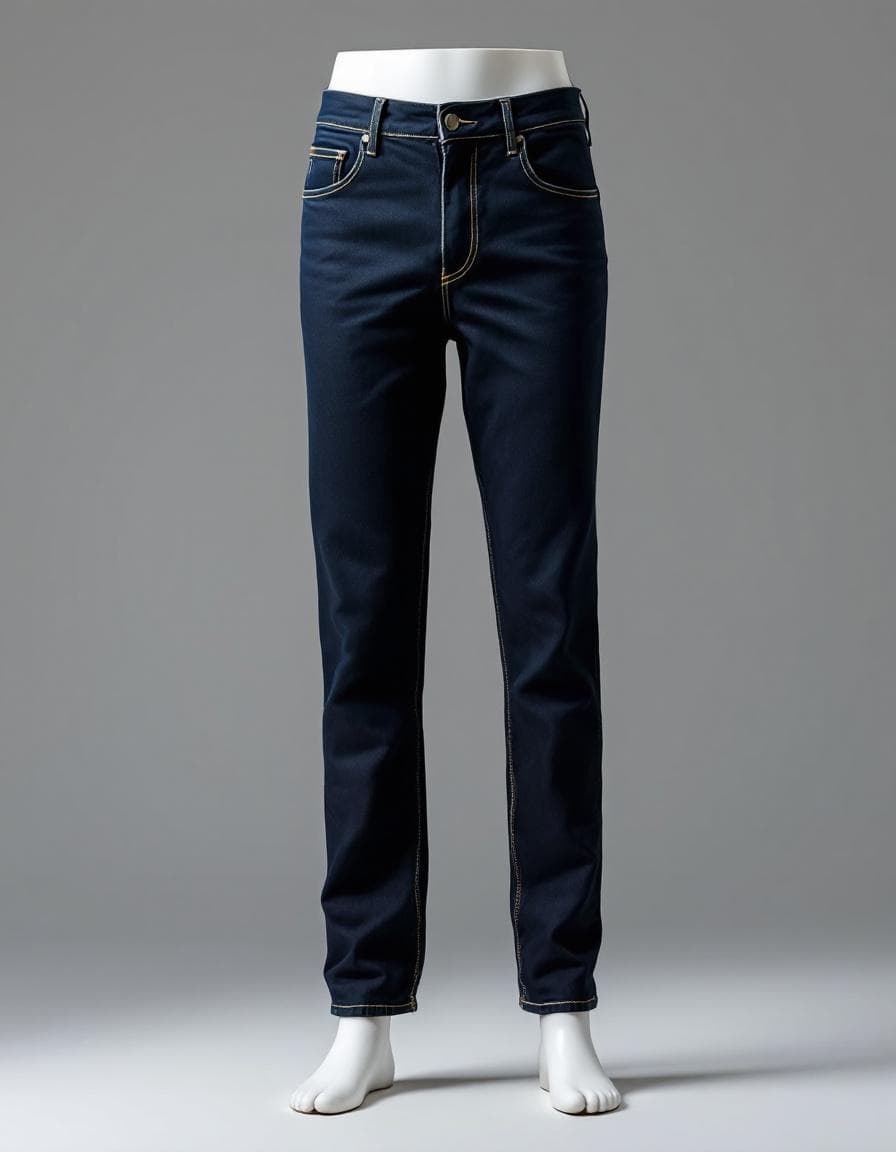
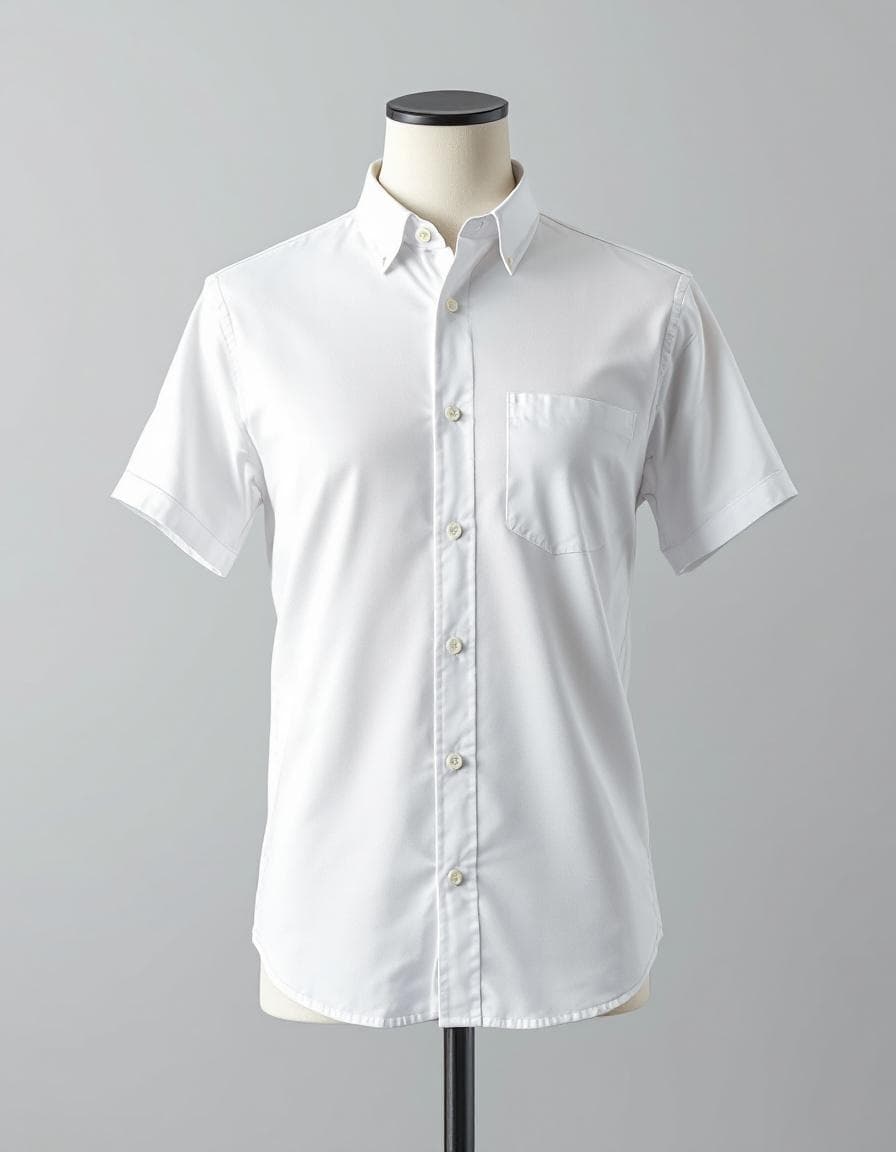
Dark wash jeans with White Oxford shirt
Black or white against navy, charcoal or slate is as clean as contrast gets — cool undertones on both sides, so nothing competes.
Real, in-stock pieces from real brands. The generator is free — the photorealistic try-on gives you one free render, then it's Pro.
Creating is a brief, not a shuffle
There are two different moments in getting dressed, and they want two different tools. Sometimes you have no opinion and simply need a decision — that is what the outfit maker is for: one tap, one finished outfit, no thinking. But often you do have an opinion. You know it's a dinner, you know you want to look quiet rather than loud, and what you actually need is for someone to execute that brief without letting you contradict yourself.
That is creating. You set two constraints — the occasion and the style register — and the creator refuses to produce anything outside them. It cannot hand you a streetwear outfit when you asked for old money, and it cannot hand you an outfit that reads casual when you said formal. The constraint is the feature.
The five registers — and what each one creates
Register is the axis most people never name, and it explains why two men in identical navy trousers can look like they live in different decades. It is carried by texture, silhouette and detail rather than by colour, which is why you cannot fix a register mismatch by changing the shade of a shirt. Pick one and the outfit resolves itself.
Stone trousers, white crewneck, white leather sneakers — the outfit disappears and the person doesn't.
Raw denim, chambray shirt, chore coat, brown service boots — clothes that will look better in five years.
Wool trousers, navy knit, loafers — the register that reads expensive at a distance and unremarkable up close.
Heavyweight tee, straight denim, clean sneakers — where an oversized cut is a decision, not an accident.
Chinos, Oxford shirt, knit, Chelsea boots — the register that survives an office, a dinner and a train.
The colour rule that survives contact with reality
Colour theory as usually taught — wheels, complements, triads — is close to useless when you are standing in front of a wardrobe. The version that actually works when creating an outfit is blunter: two neutrals and one accent, and the shoes count. Navy, grey, stone, white, olive, brown and black are the neutrals; they are mutually compatible, which is precisely why every capsule wardrobe is built from them. Everything else is an accent, and one is the limit.
The failure people expect is the clash — four colours fighting. The failure they actually get is flatness: three colours sharing one mid-tone, so the outfit has no structure and reads washed out, especially in photos. Fix it with contrast rather than more colour. A light shirt against a dark trouser is doing more work than a clever hue ever will.
If you want to work out which accents belong to you specifically, the capsule wardrobe colour palette guide builds one from a neutral base out.
What "AI" should and shouldn't mean here
An AI outfit creator that generates images of clothing is producing something you can look at and never own. It is a very good way to make a mood board and a very bad way to get dressed. The seductive part — a photorealistic garment that never existed — is exactly the part that has no path to your wardrobe.
The useful application of the same technology is narrower and less glamorous: take a real, buyable garment, take a real photo of you, and render one onto the other so you can see how a heavy overshirt actually sits on your shoulders before you spend $180 finding out. That is what the try-on does, and it is the only place on this site where a model touches a pixel of clothing.
Frequently asked questions
What does an outfit creator do that a generator doesn't?
A generator hands you a finished outfit and you take it or shuffle. A creator gives you the controls: you set the occasion and the style register first, and the tool creates only within those constraints. It's the difference between asking for a surprise and asking for a smart-casual outfit in an old-money register for a dinner. Use the generator when you want a decision made for you; use the creator when you already know the brief.
Is this a virtual outfit creator I can use online for free?
Yes — it runs entirely in the browser, needs no account, no card and no download, and you can create unlimited outfits. "Virtual" is doing real work here: you can also see any outfit you create rendered on a photo of yourself, which is the part that turns a virtual outfit into a purchase decision. Creating is free forever; the first photorealistic try-on render is free too.
Is there an outfit creator app?
This is a website, which on a phone is functionally an app without the install. Add it to your home screen and it opens like one. The trade-off most outfit creator apps make is that they demand your whole wardrobe upfront before they create anything; this one creates immediately from a curated capsule and learns your pieces as you save them.
What is an AI outfit creator actually doing?
Two very different jobs get called AI here. The first is generating images of clothes — visually impressive, commercially useless, because the garment doesn't exist and can't be bought. The second is the useful one: matching real garments against constraints (formality, palette, season, occasion) and rendering real clothes onto your real body so you can judge fit before paying. This site does the second and deliberately never the first.
How do I create an outfit that suits my style rather than a generic one?
Choose a style register and stay inside it — that single choice does more than any amount of colour theory. A minimalist outfit and a heritage outfit can use the same navy trousers and still read as different people, because register lives in texture, silhouette and detail, not in colour. Set the style filter above (minimalist, heritage, old money, streetwear, smart casual) and the creator only combines pieces that belong to that world.
How many colours should one outfit have?
Three, counting the shoes, and one of them should be doing something. The reliable structure is two neutrals plus one accent: navy trousers, white shirt, tobacco loafers. When an outfit feels wrong but you can't name why, it is usually four competing colours — or three colours in the same mid-tone, which is the quieter failure, because the outfit reads flat rather than clashing.