Camel overcoat with Polo shirt— a men's outfit
For men — the camel overcoat with the polo shirt: a smart casual pairing that holds together on color, proportion, and formality at once. Here's how to wear it — and what to buy.
Works for: smart-casual · Price range: $25–$490
Why it works
Two pieces, multiple occasions. The camel overcoat brings adds five inches of perceived height and a decade of perceived sophistication. The polo shirt answers it — solid colours only. Cool meets warm — navy against camel, charcoal against ecru — is the most flattering cross-tonal pairing in the wardrobe.
The formality gap between these two pieces is wide — camel overcoat sits at level 4, polo shirt at level 2. The outfit lives in the smart-casual zone, leaning toward whichever piece you accessorise to.
Color theory
Cool meets warm — navy against camel, charcoal against ecru — is the most flattering cross-tonal pairing in the wardrobe. The warm neutral softens the cool one; the cool neutral grounds the warm one. It works on every skin tone.
How to wear it
Where this works
The camel overcoat + polo shirt combination reads smart-casual. Stay inside that lane and the outfit is bulletproof. The formality gap between these two pieces is wide — camel overcoat sits at level 4, polo shirt at level 2. The outfit lives in the smart-casual zone, leaning toward whichever piece you accessorise to.
Get the proportions right
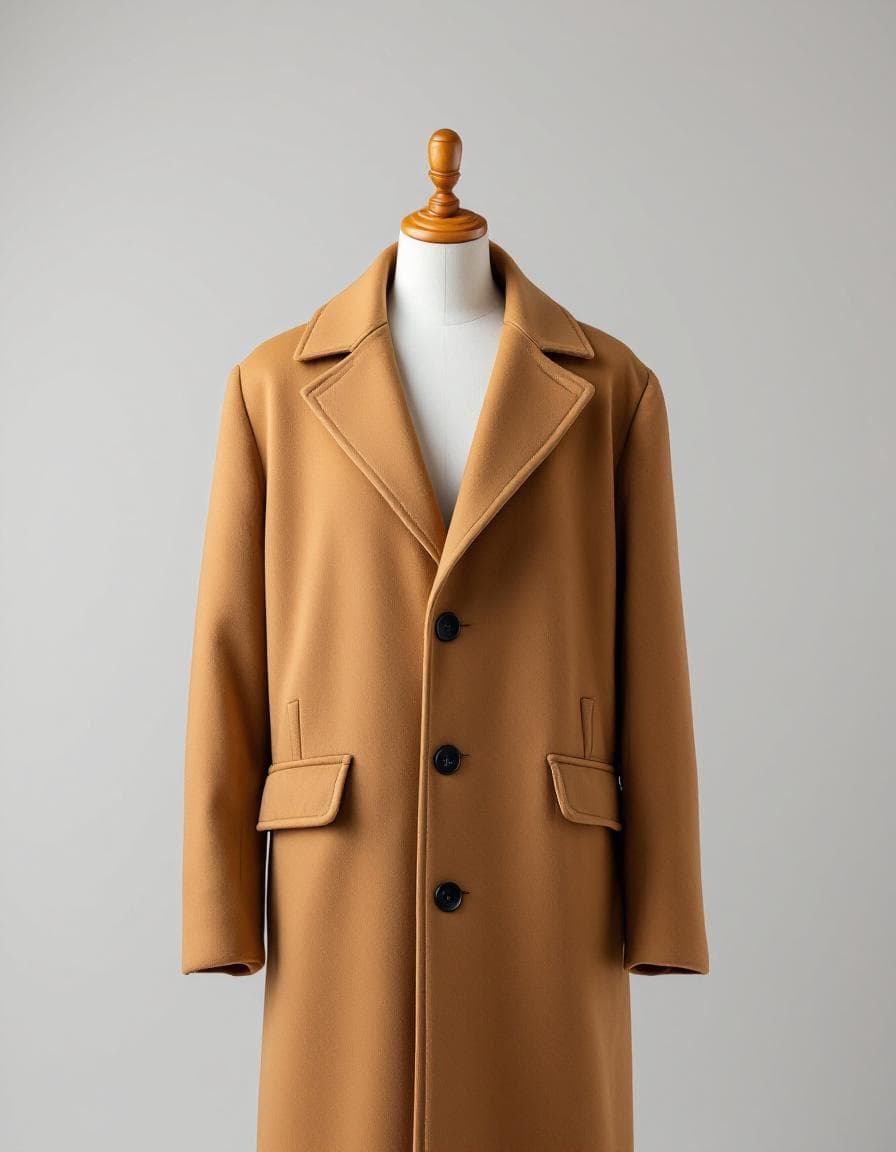
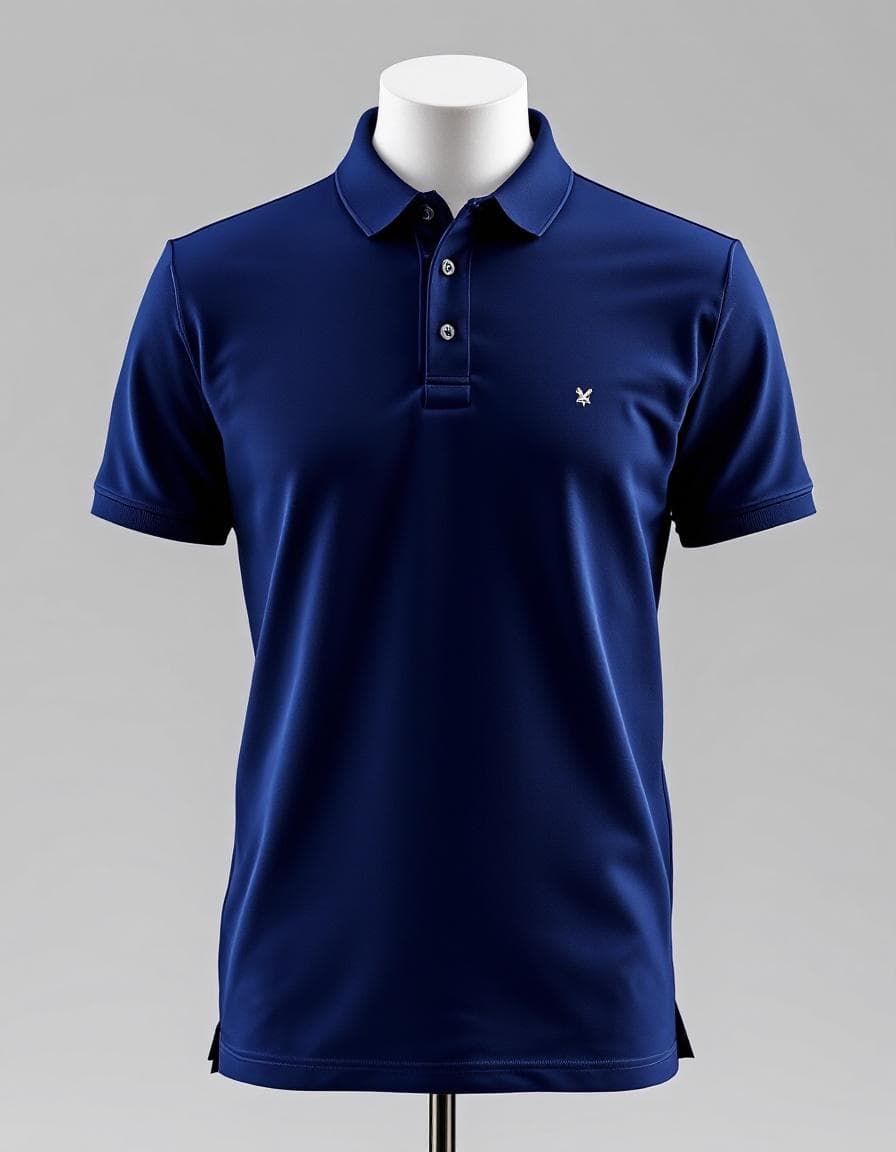
Hem hits mid-thigh to just-above-the-knee; shoulders should sit clean over a blazer underneath. For the polo shirt: sleeve cuts mid-bicep with a clean band; hem hits within two inches of the belt — long enough to tuck if needed.
Why the colours work
Cool meets warm — navy against camel, charcoal against ecru — is the most flattering cross-tonal pairing in the wardrobe. The warm neutral softens the cool one; the cool neutral grounds the warm one. It works on every skin tone.
When to wear it
The shared seasonal window is fall. Best worn when both fabrics feel natural — too early in spring or too late in autumn pushes one or the other out of context.
What goes on your feet
For smart-casual, Chelsea boots or white sneakers — never dress shoes. Anything heavier than this combination of pieces will weigh down the outfit.
Caring for both pieces
The polo shirt is the more delicate of the two — handle accordingly. The camel overcoat can take more wear but still benefits from cold-water washes and air drying. Rotation matters: never wear either piece on consecutive days.
Dos and don'ts
Do
- Buy half a size up to layer over tailoring
- Belt or tie it shut rather than buttoning
- Steam after every third wear
- Choose a knit collar over a woven one
Don't
- Wear over a hoodie — kills the line
- Pair with bright primary colours
- Machine-wash — dry-clean once a season only
- Pop the collar
Who this is for
The camel overcoat-and-polo shirt pairing is for men who want to look deliberate at dinner or in a modern office. It flatters most builds because the structure is forgiving — a slightly roomier shoulder reads relaxed, not sloppy. Keep one layer fitted so the whole thing doesn't drift shapeless. Here the camel overcoat does the structural work, so whatever sits under it can stay simple. Best once you've reached the point where 'I just threw this on' should actually mean it.
Complete the outfit
Two pieces is the minimum. These third pieces — drawn from items both halves of this outfit pair well with — turn it into a full look.
footwear
Chelsea boots
Anchors the outfit at the floor — the elastic gusset should sit flat against the ankle.
footwear
Penny loafers
Anchors the outfit at the floor — should grip the heel without slipping.
footwear
White leather sneakers
Anchors the outfit at the floor — should fit snugly — leather stretches a half-size with wear.
Dress it up, dress it down
Dress up
Lean on the camel overcoat already here and add a tie or a pocket square, and finish on leather loafers or Chelsea boots. That lifts the pairing a grade into any smart-casual room.
Dress down
Soften the camel overcoat — untuck, lose any tie or structured layer — and drop to clean leather sneakers. The same two pieces read weekend without losing the line.
Seasonal swaps
The shared seasonal window is fall. Best worn when both fabrics feel natural — too early in spring or too late in autumn pushes one or the other out of context.
For warmer weather
Swap to Black tuxedo
Lighter fabric weight (midweight) and the right seasonal cut for fall/winter/spring/summer wear. Keep the polo shirt as-is.
For colder weather
Swap to Navy peacoat
Heavier construction (heavyweight) suited to fall/winter. The rest of the outfit holds.
Common mistakes
With the camel overcoat:
Buying it too tight to layer over a blazer — the overcoat is a third layer, not a second.
With the polo shirt:
Buttoning all three buttons — top button stays open unless you're under 12.
A short history
outerwear
Camel overcoat
The polo coat — the camel-hair predecessor of the modern overcoat — was worn between chukkas at British polo matches in the 1910s. Brooks Brothers introduced it to the U.S. in 1928.
Adds five inches of perceived height and a decade of perceived sophistication.
tops
Polo shirt
René Lacoste invented the modern short-sleeve polo in 1933 to replace the long-sleeve cotton shirts tennis players were sweating through. Ralph Lauren turned it into a status piece in 1972 with the embroidered horse.
Solid colours only. Skip logos. Knit collar holds its shape better than woven.
Common questions
Does a camel overcoat go with a polo shirt?
Yes. Both pieces sit in the neutral-to-earth range, so the colours never fight — it's one of the safer pairings you can build. It lands in smart-casual territory — polished without being stuffy.
What shoes go with a camel overcoat and a polo shirt?
Chelsea boots finish it cleanly — leather keeps the register up. To take it from two pieces to a full outfit, add penny loafers or white leather sneakers.
Can you wear a camel overcoat with a polo shirt to the office?
In a modern or relaxed office, yes, as is. For anywhere stricter, add a structured blazer and swap to leather shoes and it moves up a grade.
See this outfit on you
Upload a photo and try on the camel overcoat or polo shirt virtually. Photorealistic results in under 10 seconds.
1 free try-on · no signup, no card.
Get your free capsule wardrobe checklist
30 essential pieces. Every outfit combination. Delivered to your inbox.
No spam. Unsubscribe anytime.
More camel overcoat outfits
Camel overcoat with Denim shirt
smart-casual
View outfitCamel overcoat with Cardigan
work, smart-casual
View outfitCamel overcoat with Turtleneck sweater
work, smart-casual
View outfitCamel overcoat with Dark wash jeans
smart-casual
View outfitBlack jeans with Camel overcoat
smart-casual
View outfitCamel overcoat with Navy chinos
work, smart-casual
View outfitCamel overcoat with Khaki chinos
smart-casual
View outfitCamel overcoat with Grey wool trousers
work, formal
View outfitMore polo shirt outfits
Polo shirt with Trench coat
smart-casual
View outfitBomber jacket with Polo shirt
weekend
View outfitDenim jacket with Polo shirt
weekend
View outfitLeather jacket with Polo shirt
weekend, smart-casual
View outfitPolo shirt with Field jacket
weekend
View outfitPolo shirt with Puffer jacket
weekend
View outfitPolo shirt with White leather sneakers
weekend, smart-casual
View outfitBlack leather sneakers with Polo shirt
weekend, smart-casual
View outfit