— Maternity capsule · 20 pieces · First trimester to delivery
Maternity capsule wardrobe, built to grow.
20 pieces that work from first trimester through delivery — comfortable, dignified, and wearable beyond pregnancy. Over-bump and under-bump options. Nursing-compatible throughout. Specific brands at every budget.
Try the maternity capsule on yourself
1 free try-on · no signup, no card.
Four principles for the maternity capsule
Buy for the bump you have in the third trimester, not the first
The biggest maternity wardrobe mistake is buying for your current bump size in the first trimester. By week 30+, you need significantly more room — especially across the belly and bust. Most maternity tops, dresses, and trousers are designed to grow with you, but only if you buy the right size from the start. Buy your pre-pregnancy size in true maternity pieces (they're cut to accommodate the bump), and go one size up in regular clothes you're stretching into maternity duty.
Stretch waist + under-bump construction over over-bump panels
Over-bump panels (the full-belly elastic panels on maternity jeans) are the most supportive option by the third trimester and for those with back pain. Under-bump cuts sit below the belly, feel less restrictive, and work better in warmer weather. For most people, a mix of both works: one or two over-bump jeans for support, one under-bump denim skirt or trousers for warmer days. Avoid regular zip-fly jeans stretched over the bump with a hair tie — they look wrong and feel worse.
Nursing compatibility as the second filter
If you're planning to nurse, the single most cost-effective maternity wardrobe decision you'll make is buying pieces that work for both pregnancy and nursing. Wrap dresses, button-down blouses, V-neck sweaters, and stretch-jersey nursing bras work for both. This doubles the per-wear value of every piece in your maternity capsule — you wear them through nine months of pregnancy and twelve or more months of nursing, not just nine months.
Invest where fit matters; save where it doesn't
Maternity trousers and jeans are worth spending on — fit is crucial, poorly fitting bump-waistbands are genuinely uncomfortable, and quality stretch fabrics maintain shape better across all three trimesters. Maternity tops are less critical — ASOS, H&M, and Target's maternity lines cut them in stretchy jersey that works fine for £20. The ROI equation: spend on trouser fit (£60–£120), save on tops and t-shirts (£15–£35).
The 20-piece maternity capsule
6 tops · 4 bottoms · 3 dresses · 3 outerwear · 2 footwear · 2 accessories
Tops (6)
White stretch-cotton maternity tee (2 pack)
The daily workhorse. Stretchy enough for any trimester. Tuck into maternity jeans; layer under a blazer. ASOS Maternity, H&M Mama ($18–$30).
Black wrap nursing-friendly blouse
The most versatile piece in this capsule — works for work, evenings, and continues into nursing. Nursing-friendly via the wrap closure. Isabella Oliver or ASOS ($55–$95).
Striped Breton maternity tee (cotton-modal)
The casual signature top. A bit more interesting than a plain tee. Wears well from first trimester to due date.
V-neck maternity sweater (navy or oatmeal)
Fine-knit V-neck for nursing access later. Works in the office. Seraphine or Ingrid & Isabel ($55–$85).
Maternity button-down (chambray or Oxford cloth)
Unbuttoned at the belly in later trimesters. Works casual and smart-casual. Old Navy Maternity or ASOS ($35–$60).
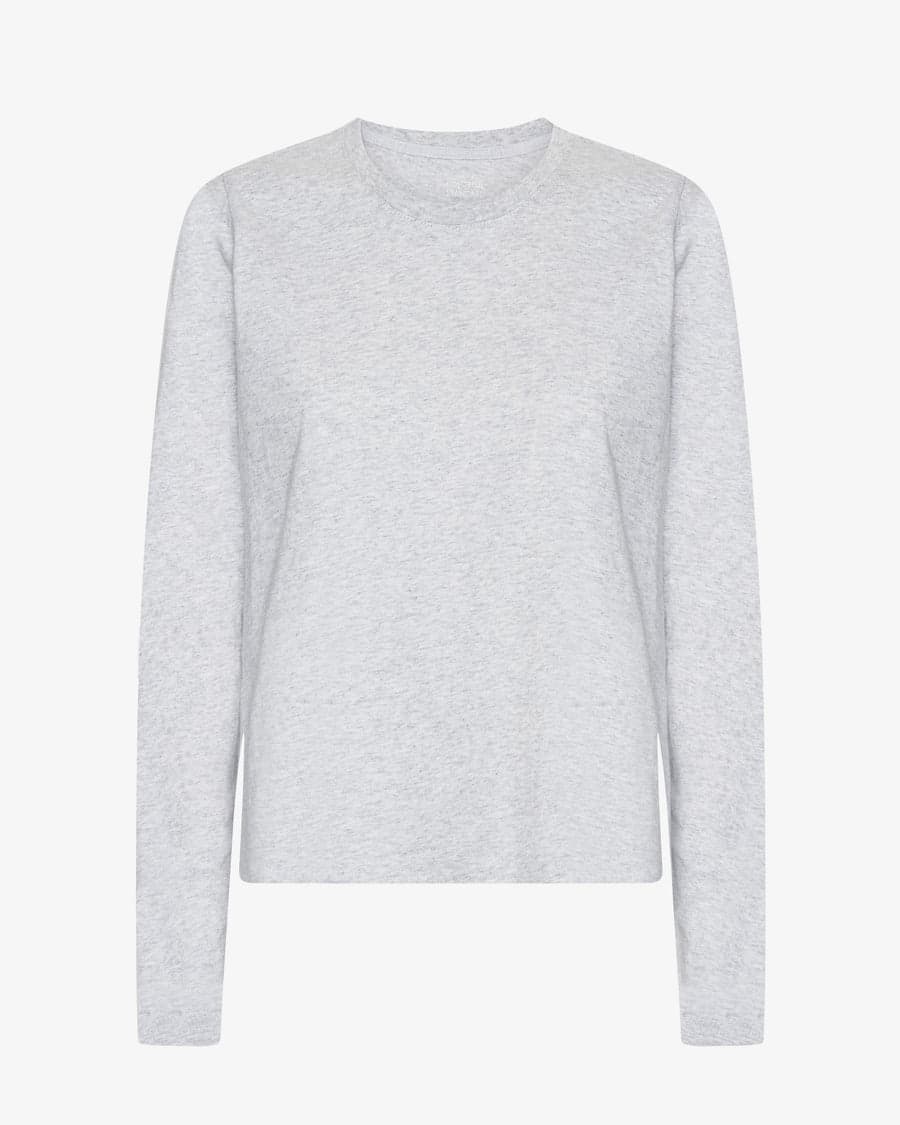
Black long-sleeve maternity thermal
Layering piece for autumn/winter maternity. Slim-fitting with belly stretch panel. Gap Maternity or H&M ($25–$40).
Bottoms (4)
Over-bump maternity jeans (dark wash, straight-leg)
The essential. Full over-bump panel for support. Wears well through all trimesters. HATCH or Madewell Maternity ($75–$150).
Under-bump maternity trousers (black, ponte)
Office-ready. Ponte fabric holds shape and reads like dress trousers. Gap Maternity or ASOS ($50–$75).
Maternity leggings (full-length, black)
Not just for working out — the slim fit creates a clean silhouette when paired with a tunic blouse or oversized knit. Blanqi or Ingrid & Isabel ($35–$65).
A-line midi skirt (elastic waist, navy or camel)
The most versatile bump-accommodating bottom — no specialist maternity needed, just an elastic-waist cut that fits over a bump naturally. Pregnancy-friendly through all trimesters.
Dresses (3)
Wrap maxi dress (jersey, solid or small print)
The third-trimester saviour — no trousers or waistbands required. Easy to nurse in after delivery. HATCH, Isabella Oliver, or ASOS Maternity ($65–$135).
Shirt dress (below-knee, stretch cotton)
The work-friendly option. Unbuttons from the top for feeding. Pairs with trainers or sandals for weekends.
Fitted jersey bodycon dress (black)
Counterintuitive but correct — fitted jersey is more comfortable across a bump than loose drape because it moves with the body. Works for evenings and smarter casual outings.
Outerwear (3)
Open-front long cardigan (cashmere-blend or merino)
Open-front means no buttons straining over the bump. Layers over everything. Looks dressed. Madewell or COS ($95–$165).
Trench coat (one size up, standard cut)
Buy one size up in a regular trench — at full term it will button over the bump for most wearers, or leave it open and belted above the bump. Burberry-style cut gives the most room across the front.
Maternity puffer or cocoon coat (for autumn/winter)
For cold-weather pregnancies a maternity-cut coat is non-negotiable — regular coats simply don't button past month 7. ASOS Maternity or Seraphine ($95–$185).
Footwear (2)
White leather trainers (half size up)
Feet can swell during pregnancy — buy half a size up from your usual size. Slip-on or easy-on styles become important in the third trimester when bending is harder. New Balance 574 or Veja Esplar.
Block-heel ankle boots (low heel, cushioned insole)
Flat or very low block heel (under 3cm) for pregnancy balance and comfort. Avoids the back-pain risk of heels by the third trimester. Clarks, Naturalizer, or M&S.
Accessories (2)
Maternity support belt / belly band
Technical but essential for the third trimester — provides back support, holds down waistbands, and allows you to wear regular trousers longer by covering the unbuttoned fly. Ingrid & Isabel Bellaband or equivalent.
Silk scarf (multi-use: neck, hair, bump photo prop)
Adds polish to any basic outfit without any fit issues. Works as a bag accessory, a neck tie, a headscarf. More useful in pregnancy than any piece of bump-specific jewellery.
Get the maternity capsule PDF
20 pieces · Brand recommendations at every budget · Trimester-by-trimester fit guide.
No spam. Unsubscribe anytime.
Frequently asked questions
When should I start building a maternity capsule wardrobe?
Week 12–14 for basic planning; week 16–18 for buying most pieces. By week 18–20 most people are clearly in maternity sizing. Buying too early (weeks 6–10) means you're guessing at how your body will change — and it will change more than you expect, particularly in the bust, hips, and waist. The exception: shoes. Buy a half-size-up replacement for your most-worn trainers early, as foot swelling often starts in the second trimester.
How many maternity clothes do I actually need?
For a minimal but functional maternity capsule: 4–5 tops, 2–3 bottoms, 2 dresses, 2 outerwear pieces, 2 shoes, and 1–2 accessories — 14–18 pieces total. More is rarely better. You're building for a defined period (roughly 6–8 months in maternity sizing), and the laundry frequency is higher when you have fewer pieces, which just means doing a wash more often rather than buying more. The 20-piece capsule above includes comfort buffer pieces and dual-use nursing items.
What's the difference between a maternity and postpartum capsule wardrobe?
The maternity capsule is built around accommodating the bump — under-bump and over-bump waistbands, wrap closures, stretch panels, and silhouettes that flatter a growing belly. The postpartum capsule shifts to accommodating body changes after birth — stretch fabrics for a changing frame, nursing access for breastfeeding, and pieces that rebuild the wearer's identity beyond 'new mother'. About 60% of a maternity capsule transitions smoothly into postpartum use (wrap blouses, V-neck knits, elastic-waist skirts, open-front cardigans); the specialist pieces (over-bump jeans, maternity puffer) can be stored or passed on.
Are maternity clothes worth buying or should I just size up?
Both. True maternity pieces are worth buying for bottoms (trousers and jeans) — the specialist waistband construction makes the difference between comfortable and uncomfortable by the third trimester. For tops and dresses, sizing up in regular clothes (typically 1–2 sizes) often works well, particularly with stretchy jersey. The cost-effective approach: buy maternity bottoms (£50–£150), size up in regular jersey tops and dresses from places like ASOS or H&M (£15–£40 each), and buy one or two considered maternity dresses for events and occasions (£65–£130).
Which maternity brands are worth the money?
Four tiers. Premium (worth it for key pieces): HATCH Collection ($95–$250) — designed by women who've been pregnant, exceptional quality, transitions beautifully into postpartum. Seraphine ($65–$165) — the UK standard, Royal Warrant holder since Kate wore it, genuinely good construction. Mid-tier (excellent value): Isabella Oliver, Ingrid & Isabel, Madewell Maternity. Value (functional basics): ASOS Maternity, H&M Mama, Gap Maternity — perfectly acceptable for tees, leggings, and bump-print pieces you'll wear 20+ times.
Can I try maternity clothes virtually before buying?
Yes — AI try-on works well for maternity browsing, particularly for tops, dresses, and outerwear where you're evaluating how a piece drapes and what it looks like in your chosen colour. Upload your current photo (including your actual bump if you're already showing) and try pieces on. Particularly useful for: wrap dresses (where the fit and drape is hard to gauge from product shots), cardigans and outerwear (where the open-front length is hard to visualise), and anything you're unsure about in terms of colour or print against your current skin tone.